11.08.2025 18:59
House of the People approves Sports and Anti-Doping Legislations
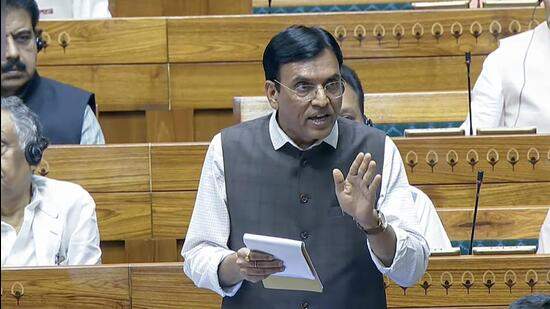
The Lok Sabha, India’s lower house of Parliament, recently passed the National Sports Governance Bill 2025 and the National Anti-Doping (Amendment) Bill 2025. This was done amid protests by opposition parties against the Special Intensive Revision (SIR) of electoral rolls in Bihar.
According to Union Sports Minister Mansukh Mandaviya, the bills represent “the single biggest reform in sports since independence.” He stated that the bills will ensure accountability, justice, and enhance governance in sports federations. Additionally, they seek to create a more transparent and world-class sports ecosystem in the country.
The National Anti-Doping (Amendment) Bill 2025 aims to increase the institutional and operational independence of the National Anti-Doping Appeal Panel and the National Anti-Doping Agency (NADA). This move is designed to ensure autonomy in their operations, investigations, and enforcement activities.
The two bills, introduced in parliament on July 23, 2025, were passed during the Monsoon Session. Few amendments were made to the sports bill prior to its passing, and both bills generally received little resistance during their discussion in the house.
Given India’s aim to host the 2036 Olympic Games, Minister Mandaviya commented that these bills serve as critical reforms. However, he showed regret over the absence of the Opposition’s participation.
The sports bill, in particular, includes the setting up of a National Sports Tribunal that can act like a civil court and decide disputes on various matters, such as election of officials to the selection of athletes. Moreover, once the bill becomes law, all federations must get recognition from a National Sports Board (NSB) to become eligible for central government funding.
The Anti-Doping Amendment Bill incorporates changes demanded by the World Anti-Doping Agency (WADA), who objected to “government interference” in NADA’s functioning. WADA had initially raised objections when the anti-doping bill was first passed in 2022, causing its implementation to be put on hold.