
17.10.2025 19:29
Yuki Bhambri: Shifting Gears from Singles Success to Doubles Determination
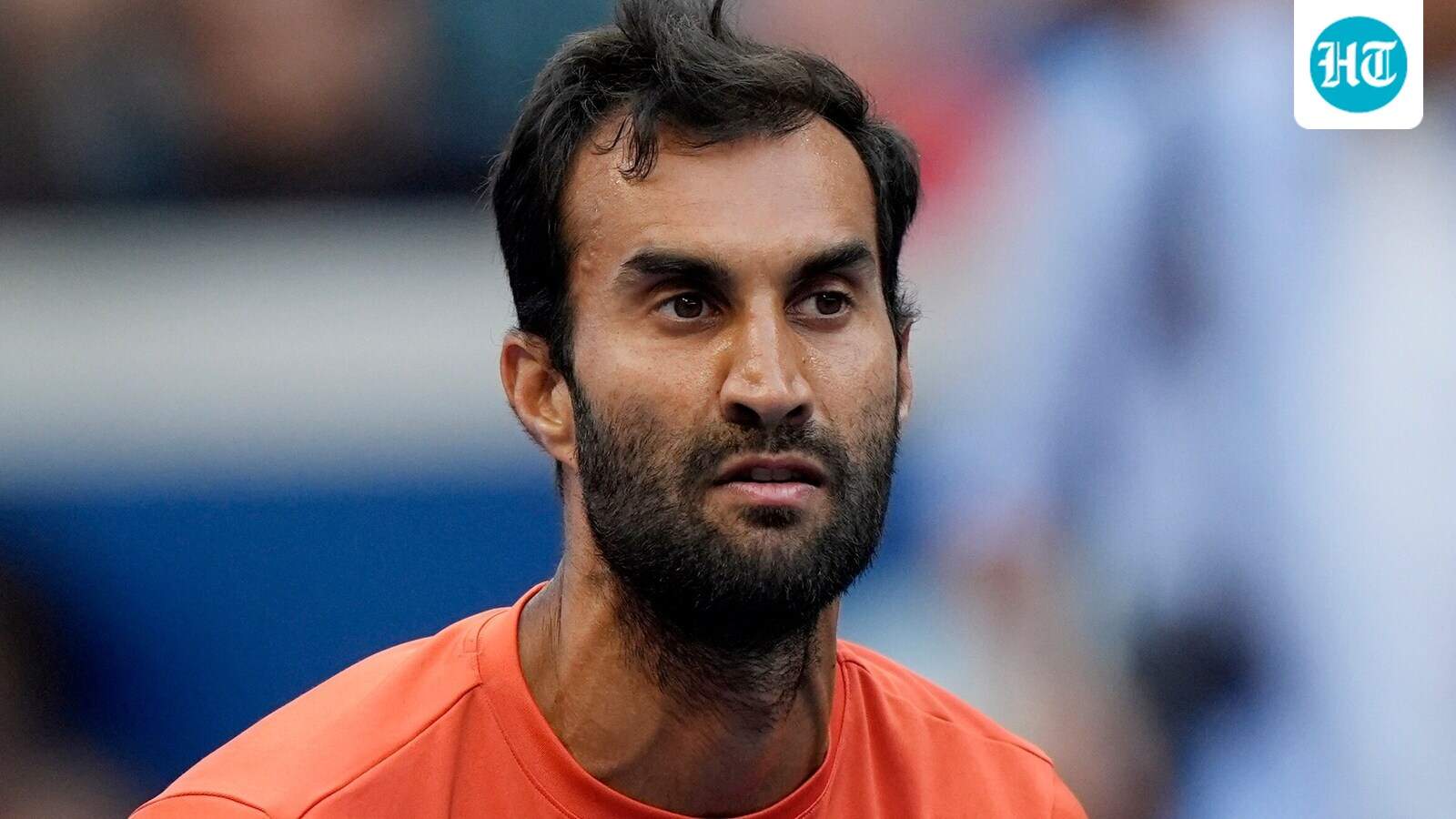
Last Thursday, as the capital city emerged from a rainy spell and faced an unseasonably hot afternoon, Yuki Bhambri relaxed in his air-conditioned room in Delhi, engaged in a meaningful conversation with members from Roundglass Sports, where he recently assumed a mentorship role at the tennis academy.
After a quick handshake and introduction, Yuki offered, “Would you like water or nimbu pani? I want you to be comfortable before you start asking your questions.”
“Just water will be fine,” I replied.
The room’s corner displayed his medals and trophies, prominently featuring the distinct Dubai Championships men’s doubles trophy won with Australia’s Alexei Popyrin in March. By the end of that month, Yuki had replaced the legendary Rohan Bopanna to become India’s No. 1 in men’s doubles, reaching a career-high ranking of 29. However, the year had more in store for the former junior World No. 1, as he steadily rose with each tournament.
Currently ranked 22, Yuki was close to winning a second title after reaching the final on Mallorca’s grass with American Robert Galloway. His career highlight came earlier this month at the US Open, where he reached his first-ever Grand Slam semi-final in doubles.
In an interview with Hindustan Times, Yuki reflected on his best Slam performance, its importance in his injury-plagued career, and how his partnership with Michael Venus developed during the North American hard-court swing. Here are excerpts:
Q: Yuki, congratulations on your US Open performance. It was your best-ever Grand Slam result in doubles. Can you walk us through the emotions you felt after that run, and how it felt to break through at this level?
Yuki Bhambri: Thank you. It felt a little bittersweet. Naturally, I was thrilled to reach the semi-finals — it was a turning point for me. I had previously made a few third-round appearances this year, and at a Grand Slam, that’s where you aim to showcase your best tennis. Both Michael and I played exceptionally well as a team. We didn’t have the best start entering the US summer, but after extensive practice, we began executing our strategies effectively. Everything came together. We were so close to making the final, and hopefully, I can create more opportunities to achieve that in the future.
Q: At 33, after years of battling injuries and transitioning from singles to doubles, how significant is this result? How does this moment compare to others in your journey?
Yuki Bhambri: It’s almost like having a second career. I often say I had a good singles career, and for the past three years, I’ve been playing doubles. I’m determined to have a long, successful career here as well. I believe I’ve made progress every year — in rankings and in my tennis. My results reflect that growth, and I’ve been improving year by year. Hopefully, I can continue this trajectory and earn more deep Grand Slam runs for India, maybe even some titles, and strive to reach the highest levels in doubles.
Q: You’ve had a few different doubles partners this year, but your partnership with Michael Venus seems to have clicked exceptionally well. What do you think makes this partnership work so well?
Yuki Bhambri: Ideally, you want to have one partner for the entire season, and that’s the plan for next year too. However, due to factors like injuries, changing partners, and rankings, it hasn’t been easy to find that consistency. With Michael, we’ve known each other for a long time — we even played together 12 or 13 years ago. That familiarity is beneficial. Michael is also one of the top doubles players globally over the last six or seven years, so his experience greatly enhances our team.
Q: This partnership began right at the start of the North American hardcourt swing. How did it come about? What was the initial chat like in terms of mindset, game plan, or goal setting?
Yuki Bhambri: We always anticipated that we’d probably partner up at some stage. This was the first instance where our rankings aligned to enter bigger tournaments. Both of us were seeking partners, and it clicked. Ultimately, your ranking determines participation in Grand Slams and Masters events, so it was our first chance where everything aligned. I’m hopeful this can become a long-term partnership since we play well together and can achieve significant goals in 2026.
Q: Looking at your performance at the US Open, what would you say were the turning points or key moments in your matches that led to this career-defining run?
Yuki Bhambri: We executed our plays well and remained composed under pressure. Each Grand Slam match is incredibly challenging and nerve-wracking. You put a lot of pressure on yourself, knowing there are only four Grand Slams annually, and everyone is striving to perform at their best. Maintaining calm in these high-pressure moments and executing when it mattered were crucial factors in our successful run.
Q: This year has been defining for you, with the Dubai title and climbing to India’s No. 1 doubles ranking. How do you reflect on your year so far?
Yuki Bhambri: I’d describe it as a year of phases. I had a strong hard court season earlier — in January and February. The clay season wasn’t very successful, so there’s room for improvement. Still, I’m pleased with how the rankings have developed and thrilled about winning in Dubai and reaching the semi-finals of a Slam. I’ve been consistently performing in major events, yet I still see potential for more improvement. If I can continue building on this, I believe reaching even higher is possible.
Q: Taking over the No. 1 spot from Rohan Bopanna — does it feel like a heavy responsibility?
Yuki Bhambri: I don’t see it as a heavy responsibility. Indian players have consistently done well, and I’m sure more will emerge soon, as I expect. You already exert a lot of pressure on yourself to perform, so this is simply an added bonus. Rohan has set an exceptionally high benchmark for all of us and has been a mentor to many doubles players in India. There’s much to learn from him — he’s one of the greatest players India has produced, despite not being the current No. 1.
Q: With this landmark achievement behind you, what are your goals for the rest of 2025? How do you plan to keep this momentum going?
Yuki Bhambri: There are still several tournaments remaining — I have indoor events in Europe scheduled for October. We aim to maintain our momentum, execute our strategies well, and use these events as preparation for 2026. We’re still finding our footing and figuring things out. The indoor surface presents a unique challenge, which will be an excellent test for us to assess our current status and manage our expectations.
Q: How significant has Roundglass Academy been in your career, especially during this US Open run?
Yuki Bhambri: They’ve played an instrumental role in my progress. I’ve worked with their director, who’s also my coach — Aditya Sachdeva — since I was 12 or 13. When he relocated to Chandigarh, it opened the door to associate with Roundglass. It’s been tremendously beneficial — training there with top-tier coaches. Interacting with younger players allows me to share my experience. Some kids are quite promising — doing well in juniors, and we have Karman Singh in the Davis Cup team. Hopefully, they can use this platform to climb higher in the rankings. India certainly needs more top singles players.
Q: You’ve also transitioned into a mentor. How has that experience been for you, and what does it mean to guide the next generation?
Yuki Bhambri: I genuinely enjoy mentoring — it feels natural to me. Perhaps I’ve been inspired by fellow athletes who have done the same. Wherever I am, I strive to give back as much as possible. Tennis has provided me with a lot, and I feel it’s my duty to pass that knowledge on. I always say my door is open for youngsters to come and ask questions. I hope they don’t repeat the mistakes I made growing up. I know how valuable a roadmap would have been for me. Athletes who’ve played at the highest level should share their experiences so the next generation can learn and forge their path.